

Enterprise resource planning
Connect finance, operations, inventory, and reporting through workflows built around your organization’s responsibilities and approval rules.
Bring your systems, data, and teams together with software built around how your business works. AsonTech Solutions designs and develops enterprise applications that simplify complex workflows and support your next stage of growth.
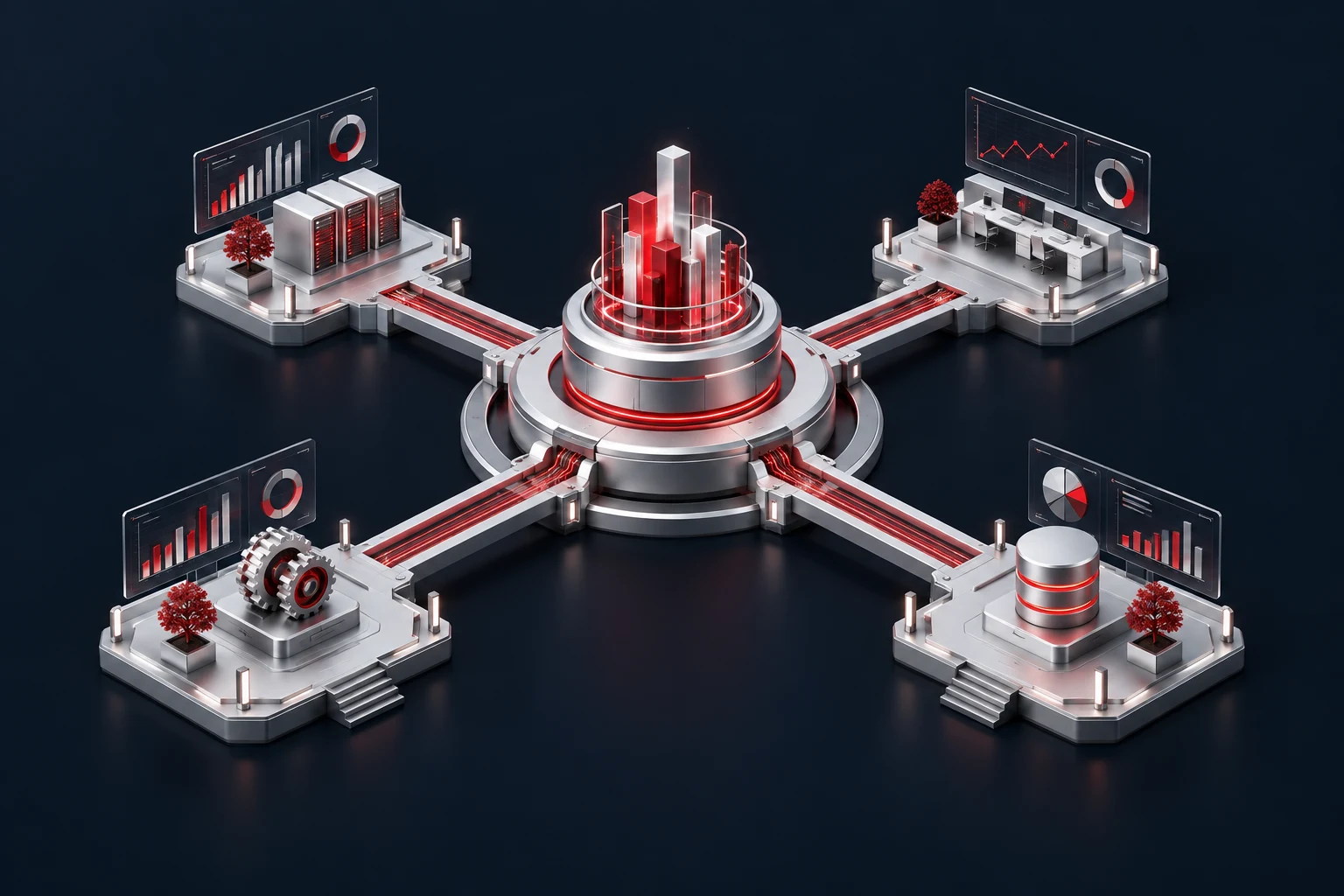
Build the capabilities your teams need, from core business systems to the integrations that keep work moving.
Connect finance, operations, inventory, and reporting through workflows built around your organization’s responsibilities and approval rules.
Bring operational data together in dashboards and reports that help teams investigate performance and make informed decisions.
Connect existing platforms through documented APIs and reliable data exchange, with clear ownership and error handling.
Improve aging applications in planned stages, preserving essential business rules while addressing technical limitations.
Plan cloud infrastructure, migration, access management, and monitoring around your workloads and operating requirements.
Build internal portals, workflow tools, and business platforms for the processes that off-the-shelf software cannot adequately support.
Keep priorities, progress, and responsibilities visible from your first planning session through handover.
Align engineering, architecture, and testing responsibilities with the scope and complexity of your enterprise platform.
Translate stakeholder priorities into specific workflows, acceptance criteria, and a shared delivery roadmap.
Review security, integrations, and critical business scenarios throughout development, with visible validation checkpoints.
Use documented interfaces, maintainable code, and practical handover materials to support your team beyond launch.
Tell us where your systems create friction. We’ll help define the requirements, dependencies, and next steps for your enterprise platform.
Shared milestones keep business stakeholders and engineering teams aligned throughout delivery.
Map users, processes, dependencies, and constraints with stakeholders. Agree on priorities and what successful delivery looks like.
Plan application boundaries, data models, integrations, permissions, and infrastructure around operational needs.
Prototype key tasks and review them with users to make complex processes easier to navigate.
Build and demonstrate working increments, maintaining a visible backlog and reviewing changes with your team.
Test critical workflows, integrations, data handling, and performance against agreed acceptance criteria.
Coordinate deployment, monitoring, training, and handover, with an agreed plan for ongoing maintenance.
Choose the balance of collaboration, responsibility, and scope your project needs.
Add focused engineering skills while retaining your existing technical leadership and delivery processes.
For teams managing an established enterprise roadmap.
Discuss this approachBring architecture, design, engineering, and quality assurance together around a shared backlog.
For evolving platforms and sustained delivery programs.
Discuss this approachEstablish deliverables, dependencies, acceptance criteria, and change control before implementation.
For projects with clearly understood requirements.
Discuss this approachSkills aligned to your product
Visible scope and milestones
Reviewable acceptance criteria
A practical support plan
Hire specialists across AI, web, mobile, cloud, data, and enterprise software.
See the application and platform work featured across AsonTech Solutions.
Answers about scope, technology, delivery, and ongoing support.
Enterprise software development creates applications that support an organization’s business processes, users, and data. Projects can include ERP systems, internal portals, reporting platforms, and integrations between existing tools.
The timeline depends on scope, integrations, data migration, security requirements, and stakeholder availability. Discovery helps define a realistic release plan, often starting with a focused set of capabilities before expanding.
Custom development can be appropriate when existing products do not support important workflows or integration needs. We compare those gaps with the cost and operational responsibilities of building and maintaining a tailored system.
Enterprise resource planning software connects business functions such as finance, procurement, inventory, and operations. A shared system can help teams work from consistent data and coordinate processes across departments.
Enterprise applications can support healthcare, financial services, manufacturing, logistics, retail, and other sectors. Requirements vary by industry, organization, and the particular workflows the software needs to support.
Look for a clear discovery process, relevant technical capabilities, transparent communication, and a practical approach to testing and support. Discuss ownership, documentation, integration risks, and acceptance criteria before committing to delivery.
Technology choices depend on existing systems, team skills, performance needs, and operating constraints. We can discuss application frameworks, databases, cloud infrastructure, and integration approaches after understanding your requirements.
Yes. An initial review of the codebase, infrastructure, documentation, and backlog helps identify dependencies and risks. We then agree on a transition plan and prioritize improvements with your team.