

Codebase refactoring
Improve the structure and testability of existing code, with regression checks that help preserve the behaviors your teams rely on.
Make your existing software easier to maintain, connect, and improve. AsonTech Solutions helps business teams assess legacy applications and deliver phased upgrades around the workflows that matter.
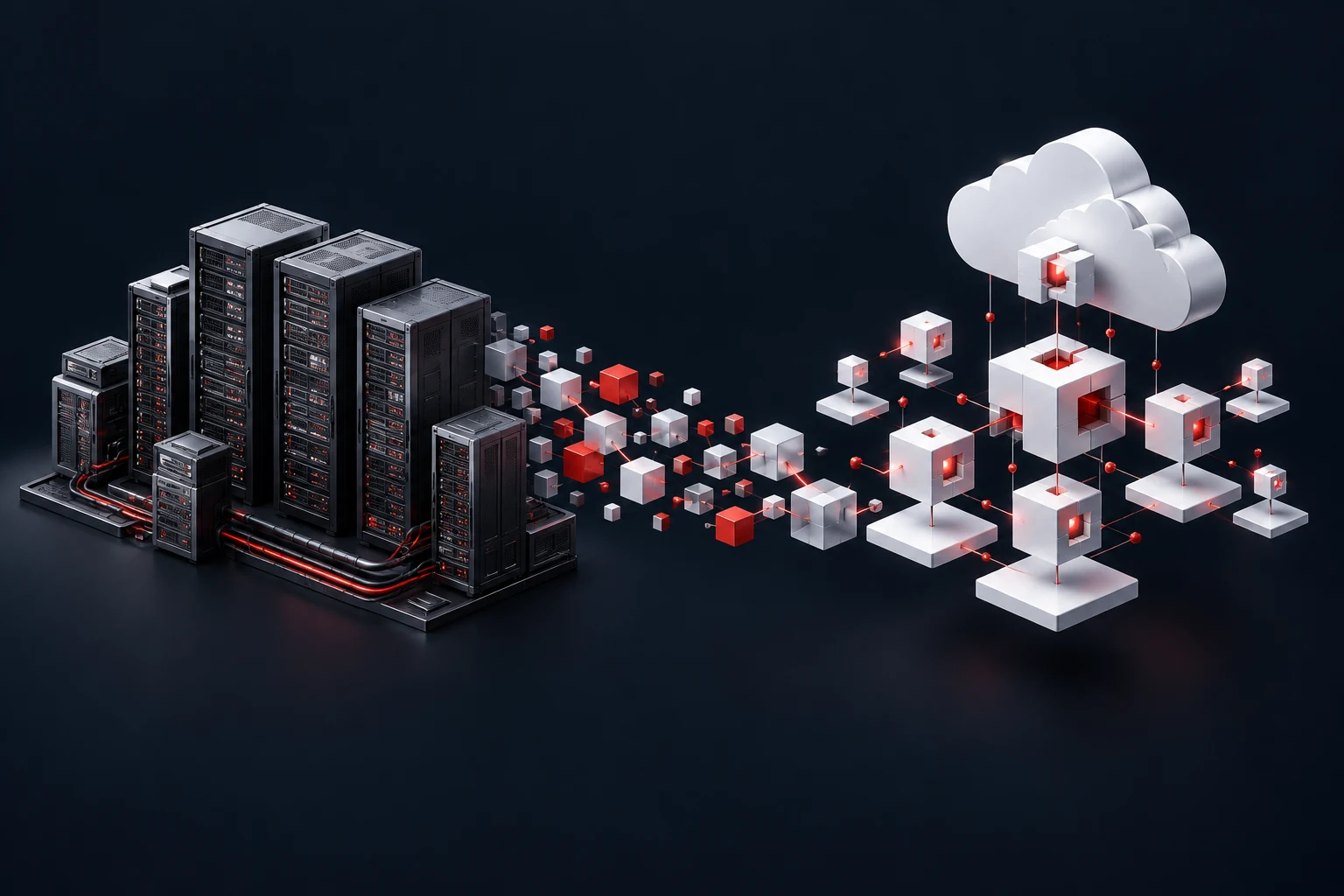
Choose targeted improvements based on your application’s condition, operational needs, and future roadmap.
Improve the structure and testability of existing code, with regression checks that help preserve the behaviors your teams rely on.
Assess unsupported frameworks, runtimes, and infrastructure, then plan compatible upgrades with clear migration checkpoints.
Identify useful system boundaries and integration contracts. Introduce independent modules or services where the operational benefits justify the complexity.
Plan hosting, access controls, data transfers, observability, and recovery procedures around your workload and business requirements.
Refresh critical workflows with clearer navigation and accessible interfaces while accounting for existing users, training, and adoption.
Review dependencies, permissions, data handling, and deployment practices. Prioritize identified weaknesses and verify changes against agreed requirements.
Keep priorities, progress, and responsibilities visible from your first planning session through handover.
Map the workflows, dependencies, and business rules that are easy to miss in an older application.
Evaluate changes against maintenance effort, operational risk, and the outcomes your business needs.
Create review checkpoints and rollback plans so each release has a defined scope and a recovery path.
Bring application owners and operators into the planning, testing, and handover process.
Tell us about the application, its users, and the challenges your team encounters. We’ll discuss what an initial assessment should cover.
Shared milestones keep business stakeholders and engineering teams aligned throughout delivery.
Review code, dependencies, integration points, operational constraints, and the behaviors that need to be preserved.
Compare upgrade options and prioritize a sequence of changes around business value and technical risk.
Define target architecture, data movement, integration contracts, and the approach to coexistence or cutover.
Deliver manageable changes with reviews, automated checks, and an explicit rollback strategy for each release.
Check critical workflows, data integrity, access controls, and performance against agreed baselines.
Execute the release plan, monitor the system, and provide operational documentation and agreed support.
Choose the balance of collaboration, responsibility, and scope your project needs.
Bring targeted engineering skills into your existing team, tools, and release process.
For organizations with internal technical ownership.
Discuss this approachCombine architecture, engineering, and testing around a shared modernization backlog.
For a program spanning multiple releases or systems.
Discuss this approachAgree on deliverables, dependencies, acceptance criteria, and change management before work starts.
For a clearly specified migration or upgrade.
Discuss this approachSkills aligned to your product
Visible scope and milestones
Reviewable acceptance criteria
A practical support plan
See the application and platform work featured across AsonTech Solutions.
Answers about scope, technology, delivery, and ongoing support.
Modernization updates an existing application to meet current business and technical needs. Work may include code improvements, platform upgrades, interface changes, security fixes, and infrastructure migration.
An assessment considers maintenance effort, reliability issues, unsupported dependencies, user friction, and upcoming business requirements. The roadmap connects recommended changes to those findings.
Refactoring changes the internal implementation; replatforming changes the runtime or hosting environment. A rebuild replaces more of the system. We compare these options against your constraints, risks, and expected benefits before recommending a path.
Yes. When appropriate, the plan can include cloud infrastructure, identity, data migration, monitoring, backup, and recovery. Hosting decisions account for cost, workload characteristics, and operational responsibilities.
That depends on the application and its dependencies. Phased releases, parallel environments, and migration rehearsals can reduce disruption. Any necessary maintenance window and rollback process are agreed before cutover.
Not necessarily. A well-structured application may be easier to operate as a modular monolith. We consider service boundaries only where independent deployment or scaling offers a clear benefit for your team.